From Conquest to Conservation: How Climate Change Is Redefining the Meaning of Exploration
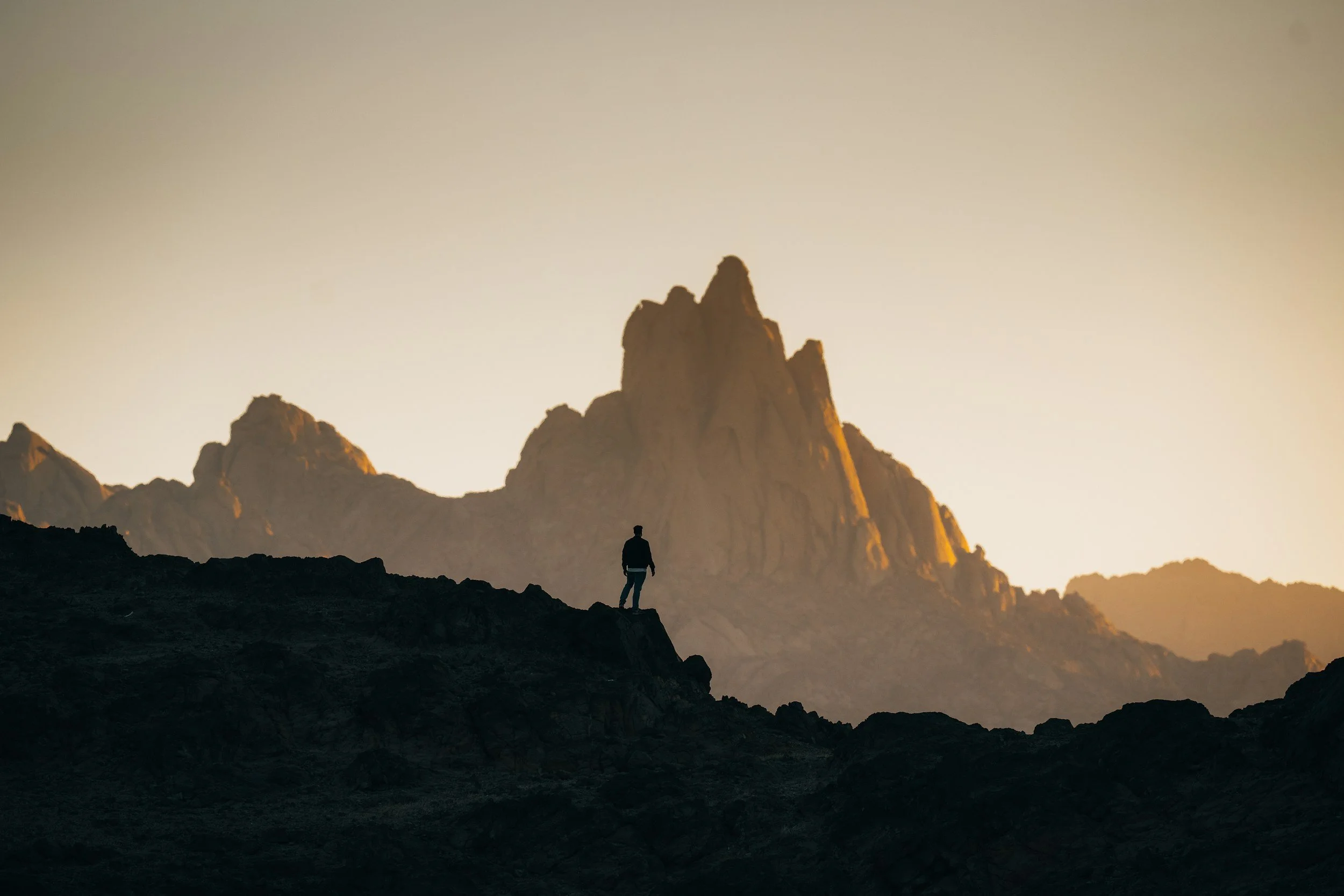
For most of human history, to explore was to venture into the unknown. It meant leaving behind the familiar, stepping into blank spaces on a map, and accepting that survival was anything but guaranteed. But as climate change reshapes every corner of our planet, it is also reshaping the very purpose of exploration itself. Today, the new explorers are not driven by conquest or curiosity alone; they are driven by responsibility.
In the era of rising temperatures, melting ice, collapsing habitats, and shifting species, exploration has taken a scientific — and profoundly urgent — turn. We are no longer travelling to escape the world. We are travelling to understand it, protect it, and in many ways, save it.
This is the evolution of exploration, and why traveling with purpose has never felt more meaningful.

The First Age: Exploration as Survival and Discovery
Long before passports, GPS, and satellite imagery, exploration was a matter of survival — and bravery on a mythic scale. Early human migrants traversed deserts, oceans, and mountain ranges without knowing what lay ahead. Later, the “Age of Discovery” brought figures who crossed oceans guided only by the stars, risking shipwreck, starvation, or never returning home at all.
Exploration then was:
A fight for survival
A path to new lands, new resources, and new beginnings
A leap into true, life-threatening uncertainty
Maps grew from these journeys. Empires, trade routes, and entire cultures evolved from them. Exploring the planet was once synonymous with reshaping it.
The Second Age: Exploration as Prestige and Power
As the world became better mapped, exploration mutated into a symbol of status, empire, and wealth. Naval expeditions expanded territories. Polar voyages tested the limits of endurance. Luxury transatlantic liners, from Cunard to the infamous Titanic, turned travel into a privilege of the elite.
This era was defined by:
Journeys of national pride and global rivalry
Romanticised expeditions to polar caps, deserts, and jungles
Exploration as spectacle and societal aspiration
Adventure had shifted from necessity to narrative — fuelled by wealth, competition, and the allure of the “frontier”.
The Third Age: Exploration of the Universe
Once Earth felt largely “known”, humanity lifted its gaze upward. Space became our next horizon. The Cold War space race brought moon landings, satellites, and the first glimpses of our fragile blue planet from above.
Space exploration represented:
A leap beyond Earthly boundaries
The merging of science, politics, and human ambition
A belief that exploration could transcend the planet itself
But while space remains a frontier, the urgency of our own planet’s challenges has pulled our attention back home.
The Fourth Age: Exploration as Personal Growth
By the late 20th century, exploration became individualised. Backpackers crossed continents to “find themselves”. Gap years offered adventures before adulthood. Mountaineers chased summits not to claim them, but to conquer personal limits. Nomadic lifestyles flourished, from van-lifers to long-distance cyclists.
Travel in this era was:
A rite of passage
A spiritual reset
A journey inward as much as outward
Exploration was now about identity — not survival or glory.
The Fifth Age: The Climate Era — Exploration With Purpose
And now, everything has shifted again.
In the climate era, we explore not to take, but to understand. Not to escape, but to contribute. The very act of travelling — once criticised for its environmental footprint—has transformed into a tool for science, conservation, and collective good.
Today’s exploration looks like:
Collecting eDNA (environmental DNA) to track biodiversity
Gathering ocean samples to monitor microplastics
Studying migratory bird patterns disrupted by warming temperatures
Joining coral restoration projects
Supporting elephant rescue and anti-poaching teams
Documenting retreating glaciers in the Arctic
Participating in citizen-science wildlife surveys
This is not escapism. This is engagement.
For travellers who care about the planet, exploration has become a way to serve something larger than ourselves. And with that purpose comes a deeper form of fulfillment — one that tourism alone can never offer.
Why Purpose-Driven Exploration Feels Completely Different
When you board an expedition vessel studying orca populations, for example, you return home changed — not only by the breathtaking sight of a dorsal fin cutting through the water, but by the skills you’ve gained:
How to identify whale tails and dorsal markings
How to record behavioural data
How ocean acoustics monitoring works
How citizen scientists contribute to real research
You don’t come back with just photographs.
You come back with knowledge, connection, and contribution.
And that transforms the journey — and the traveller.
The New Explorer Identity
Today’s explorers are:
Scientists and researchers
Volunteers and citizen scientists
Wildlife advocates, eco-divers, and climate storytellers
Travellers using their holidays to support conservation work
Exploration has become a collaboration between humans and the planet — not a conquest.
We have moved from discovering new worlds to saving the only one we have.
Where Exploration Goes Next
As climate change accelerates, the role of explorers will continue to expand. We will need more:
Oceanographers tracking warming seas
Biologists monitoring species decline
Indigenous guides preserving ecological knowledge
Expedition vessels collecting global datasets
Travellers who choose purpose-driven journeys
Exploration is no longer about planting flags.
It’s about planting solutions.
The Future of Travel Is Purpose
Exploration has always reflected who we are.
We once explored to survive.
Then to conquer.
Then to expand.
Then to grow.
Now, we explore to protect.
In the era of climate change, exploration is becoming one of the most powerful tools we have for understanding — and healing — our planet. And for travellers, this shift offers the most fulfilling journeys of all: those that are meaningful, impactful, and deeply connected to the natural world.
When travel becomes purpose-driven, every adventure becomes a contribution. And that is the new frontier.